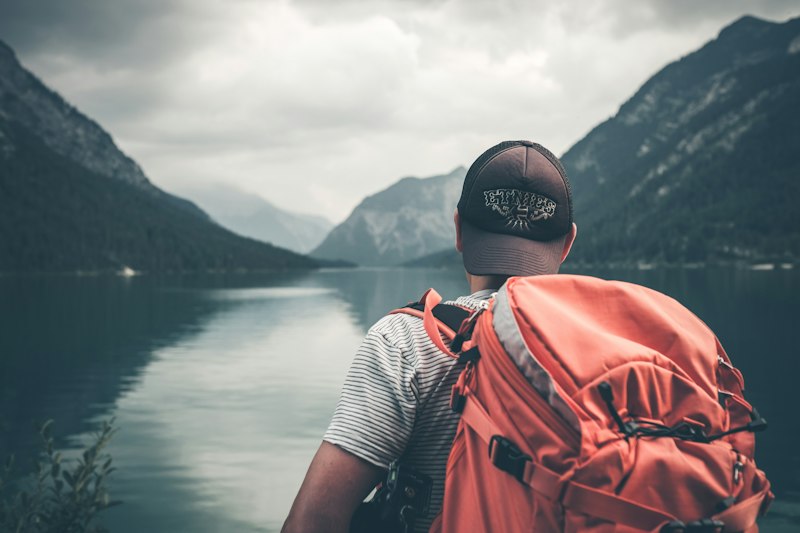
The Evidence-Based Solo Travel Safety Guide for 2025
Solo travel is statistically safer than many people fear — but smart preparation makes the difference. Here's what the data and experienced travellers actually recommend.
Solo travel has grown significantly in the past decade — a 2023 ABTA survey found that 25% of UK holidaymakers now travel alone at least occasionally. The fear that solo travel is dangerous is, for the vast majority of destinations, significantly overstated. Here's what the evidence actually shows.
The Real Risk Picture
The UK FCDO processed over 23,000 consular assistance cases in 2022-23. The most common reasons were: medical emergencies (42%), arrest or detention (18%), and lost or stolen documents (15%). Violent crime targeting tourists accounted for a much smaller proportion — and in many cases, was concentrated in specific high-risk areas rather than being a general country-wide threat.
The Seven Habits of Safe Solo Travellers:
1. Register with the FCDO The FCDO's free Locate service lets you log your travel details so the government can contact you in a crisis. Takes 5 minutes at gov.uk/locate.
2. Get the Right Travel Insurance This is non-negotiable. Choose a policy that includes:
- Medical cover of at least £5 million
- Emergency repatriation
- 24-hour emergency helpline
- Trip cancellation Pre-existing conditions must be declared — non-disclosure voids claims.
3. Share Your Itinerary Leave a copy of your itinerary, accommodation addresses, and flight details with a trusted contact at home. Check in regularly.
4. Research Destination-Specific Risks Read the FCDO travel advisory (gov.uk/foreign-travel-advice) for your destination. These are updated frequently and flag specific regions, crime types, and health risks that general travel guides often miss.
5. Trust the Local Knowledge Hotel and hostel staff are typically your best source of real-time safety information. Ask which areas to avoid, whether you need a registered taxi, and what scams are currently active.
6. Blend In Where Possible Visible expensive electronics, luxury bags, and disoriented map-staring mark you as a tourist. Walk with purpose, use offline maps, and keep valuables in a money belt or anti-theft bag.
7. Know the Local Emergency Numbers 112 works in most countries as a universal emergency number, but local equivalents are often faster. Japan: 110/119. USA: 911. Australia: 000. DheeVoy will include a quick-reference emergency numbers feature in its app.
Destinations with Excellent Safety Records for Solo Travellers: Japan, Iceland, New Zealand, Switzerland, Singapore, Portugal, and most of Scandinavia consistently top global safety indices for solo travellers across all genders.
Plan and Book Your Trip to Your Next Destination
DheeVoy has partnered with trusted travel providers to help you book every part of your trip. We earn a small commission on purchases made through these links at no extra cost to you.
Hotels in Your Next Destination
Compare and book hotels with free cancellation on most rooms.
Search Hotels →*Sponsored — affiliate link
Flights to Your Next Destination
Search and compare flights from hundreds of airlines.
Search Flights →*Sponsored — affiliate link
Car Rental in Your Next Destination
Compare car hire deals from local and international providers.
Find Car Rentals →*Sponsored — affiliate link
Tours in Your Next Destination
Book skip-the-line tickets, guided tours and local experiences.
Browse Tours →*Sponsored — affiliate link
Travel Insurance
SafetyWing covers medical emergencies abroad from $56/month — recommended for Your Next Destination.
Get Covered →*Sponsored — affiliate link
eSIM for Your Next Destination
Stay connected from day one — no SIM swap needed. Activate before you fly.
Get eSIM →*Sponsored — affiliate link
Affiliate Disclosure: DheeVoy partners with trusted travel providers. Links marked with * are affiliate links — DheeVoy earns a small commission if you make a purchase. This comes at no extra cost to you and helps us keep DheeVoy free to use. We only recommend services we consider genuinely useful for travellers.


